Fleece Lining vs. Wool Insulation: Managing Winter Moisture
Fleece Lining vs. Wool Insulation: Managing Winter Moisture
Choosing the right internal lining material determines whether your winter walks remain comfortable or end in shivering toes. In [the main guide], we highlight moisture control as a primary factor in cold-weather survival. Here is how fleece lining compares to traditional wool.
Managing Moisture in Cold Weather
Cold feet are often caused by internal dampness rather than cold air alone. As feet perspire, insulating materials must wick this moisture away from the skin. Both synthetic fleece and natural wool aim to accomplish this, but they do so differently.
Fleece Lining: Softness, Moisture-Wicking, and Comfort
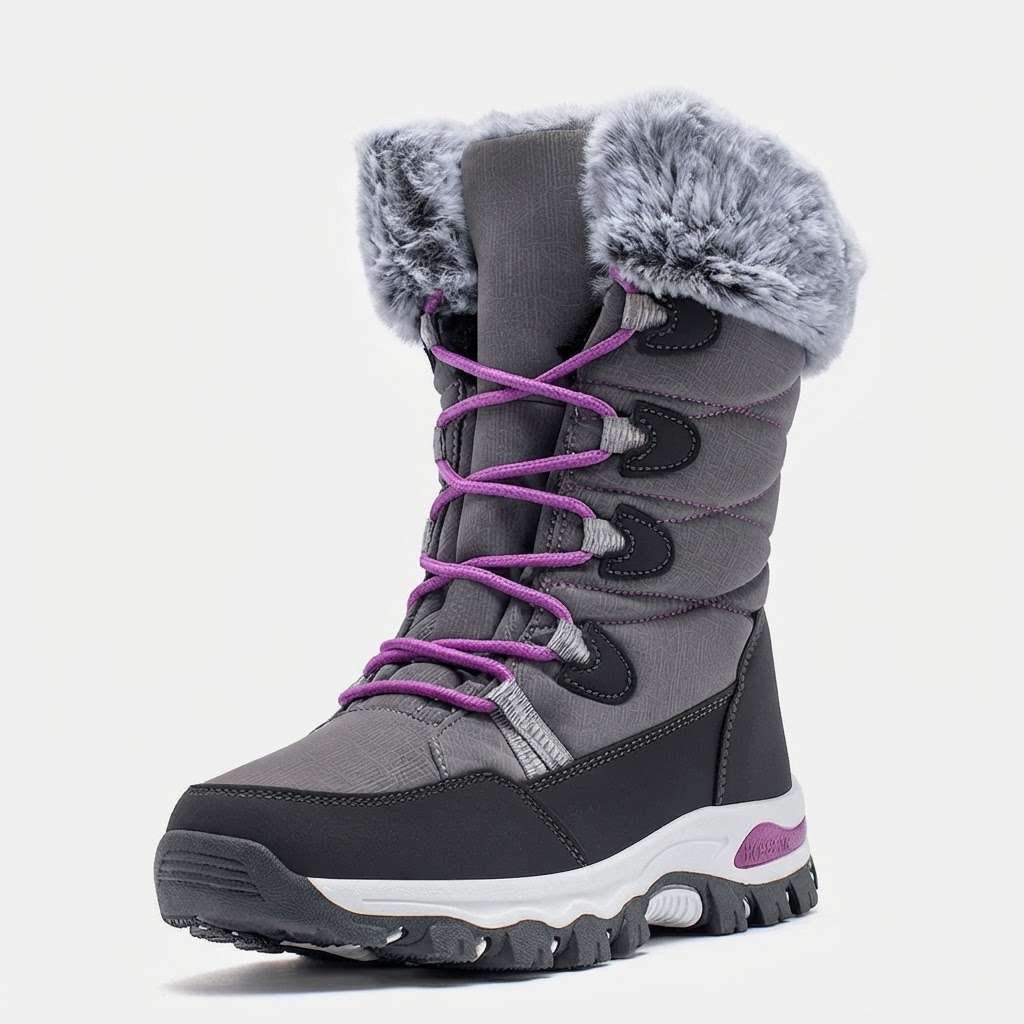
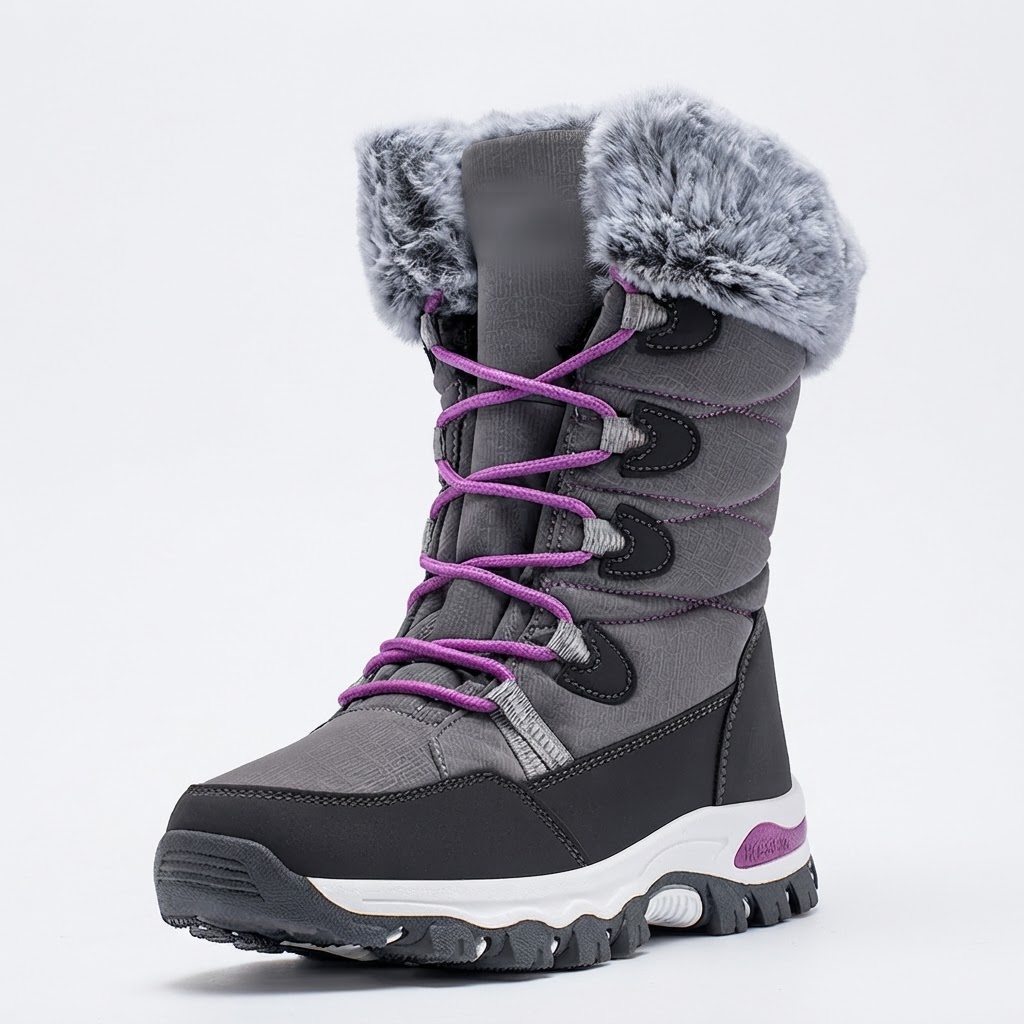
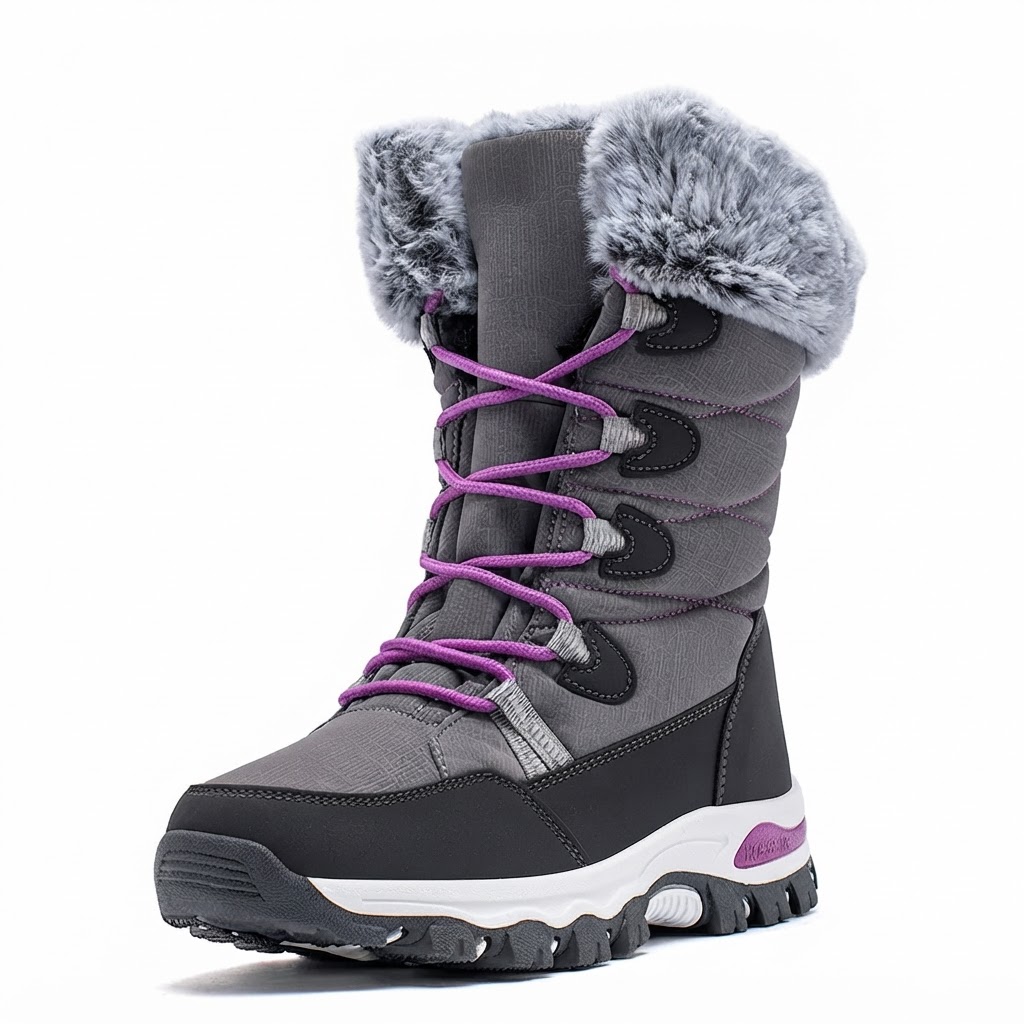
A moisture-wicking fleece lining excels at rapid drying and soft, non-abrasive comfort against the skin. Coupled with a cushioned footbed, fleece provides long-lasting comfort during all-day wear without added bulk. When paired with excellent insulation and a soft faux fur collar, fleece creates a cozy interior environment while maintaining lower overall boot weight, estimated at approximately 1.5 lbs.
Wool Insulation: Bulk vs Performance
Natural wool provides high thermal efficiency but can absorb water up to a higher percentage of its weight before drying. Wool can also feel coarse unless blended with synthetic fibers, and it requires careful cleaning routines to avoid shrinking.
The Verdict: Which Material Fits Your Winter Needs?
If you prioritize plush softness, quick-drying performance, and lightweight cushioning, a moisture-wicking fleece lining integrated into waterproof seam-sealed membrane bootie construction delivers exceptional protection against damp snow environments.
Read the full guide: Ultimate Guide on How to Keep Feet Warm in Snow