Ultimate Guide on How to Keep Feet Warm in Snow
Ultimate Guide on How to Keep Feet Warm in Snow
Winter landscapes offer breathtaking beauty, but trekking through freezing temperatures and deep drifts presents a major challenge: keeping your extremities warm. Knowing how to keep feet warm in snow relies on a balance of moisture control, thermal insulation, barrier protection, and proper fit.
Understanding Why Feet Get Cold in the Snow
Your feet naturally release moisture throughout the day. When exposed to cold temperatures, your body prioritizes core warmth, restricting blood flow to hands and feet. If sweat becomes trapped inside your boots, it cools rapidly against your skin, accelerating coldness. Additionally, external snow or slush infiltrating through unsealed seams instantly ruins insulation. To maintain warmth, footwear must combat both internal moisture accumulation and external dampness while retaining radiant warmth.
Key Features of Effective Winter Boots
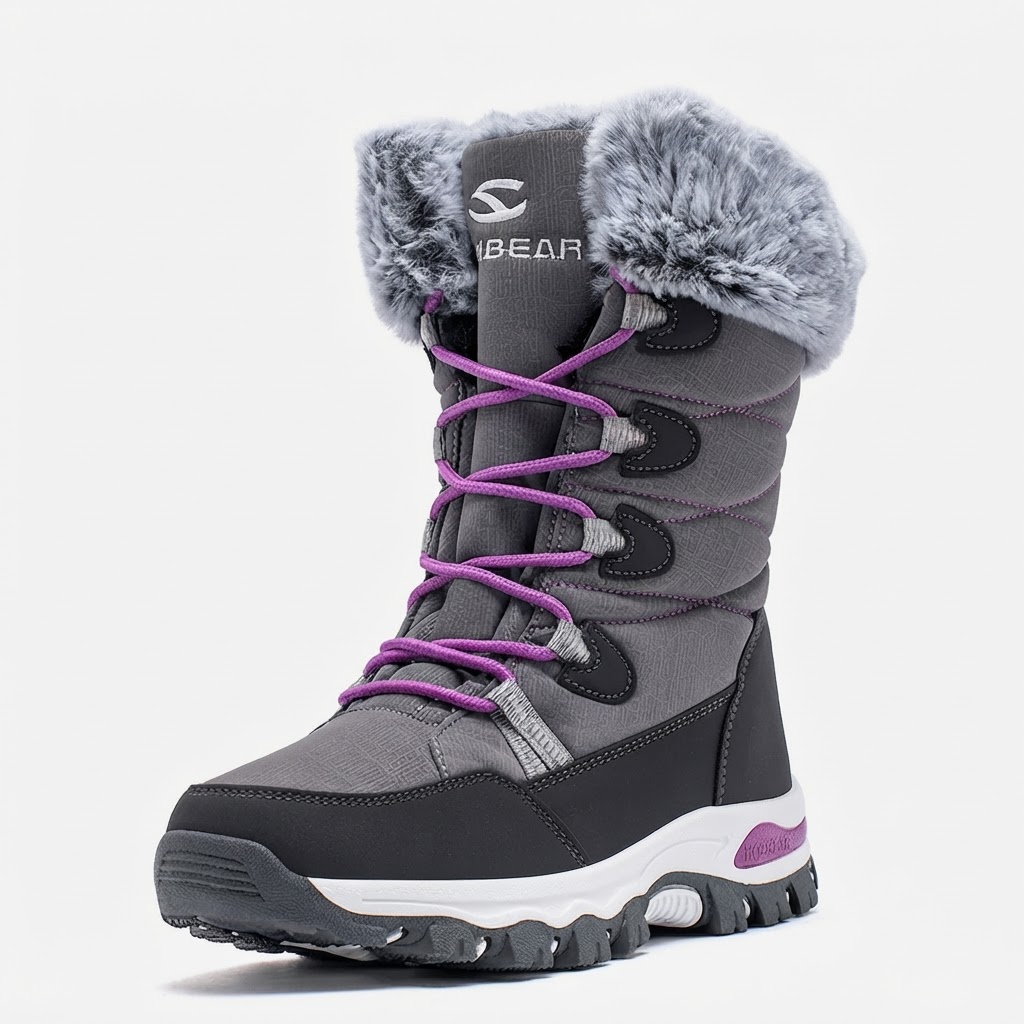
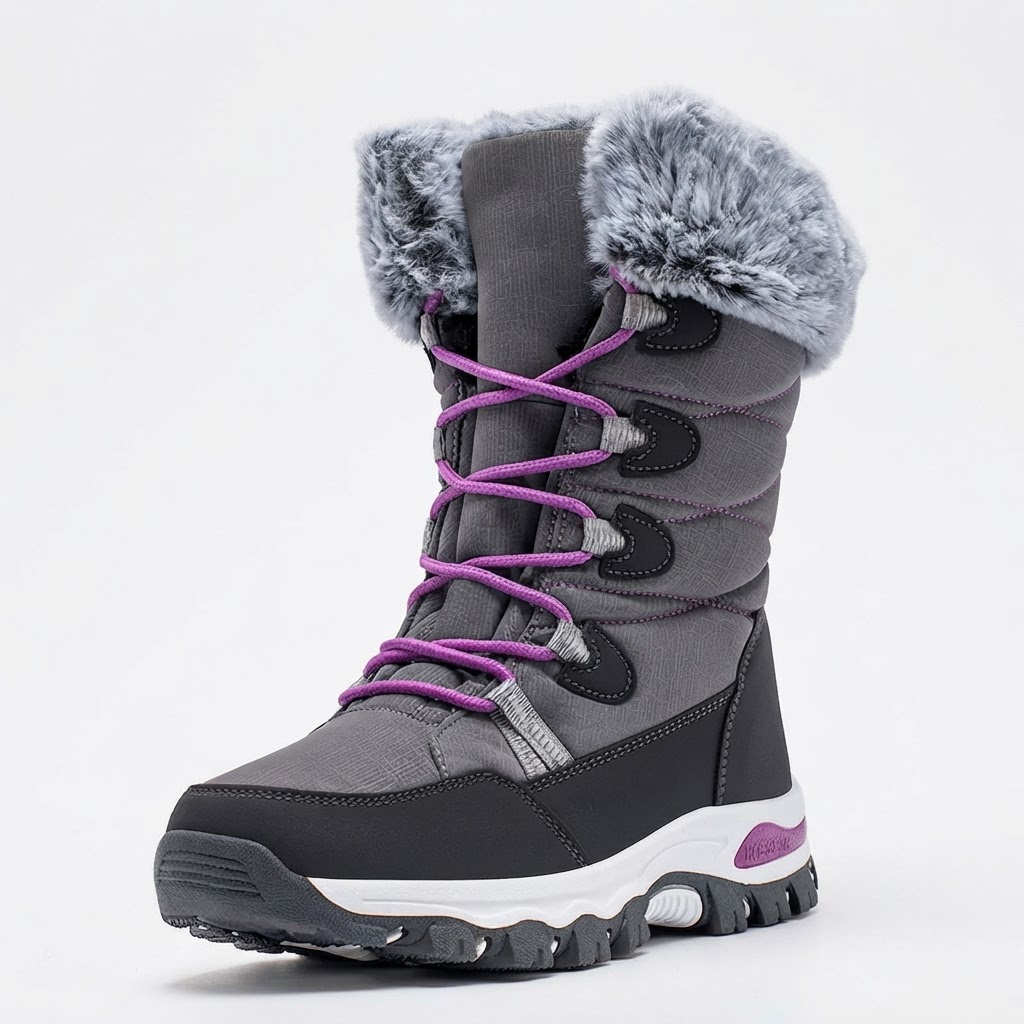
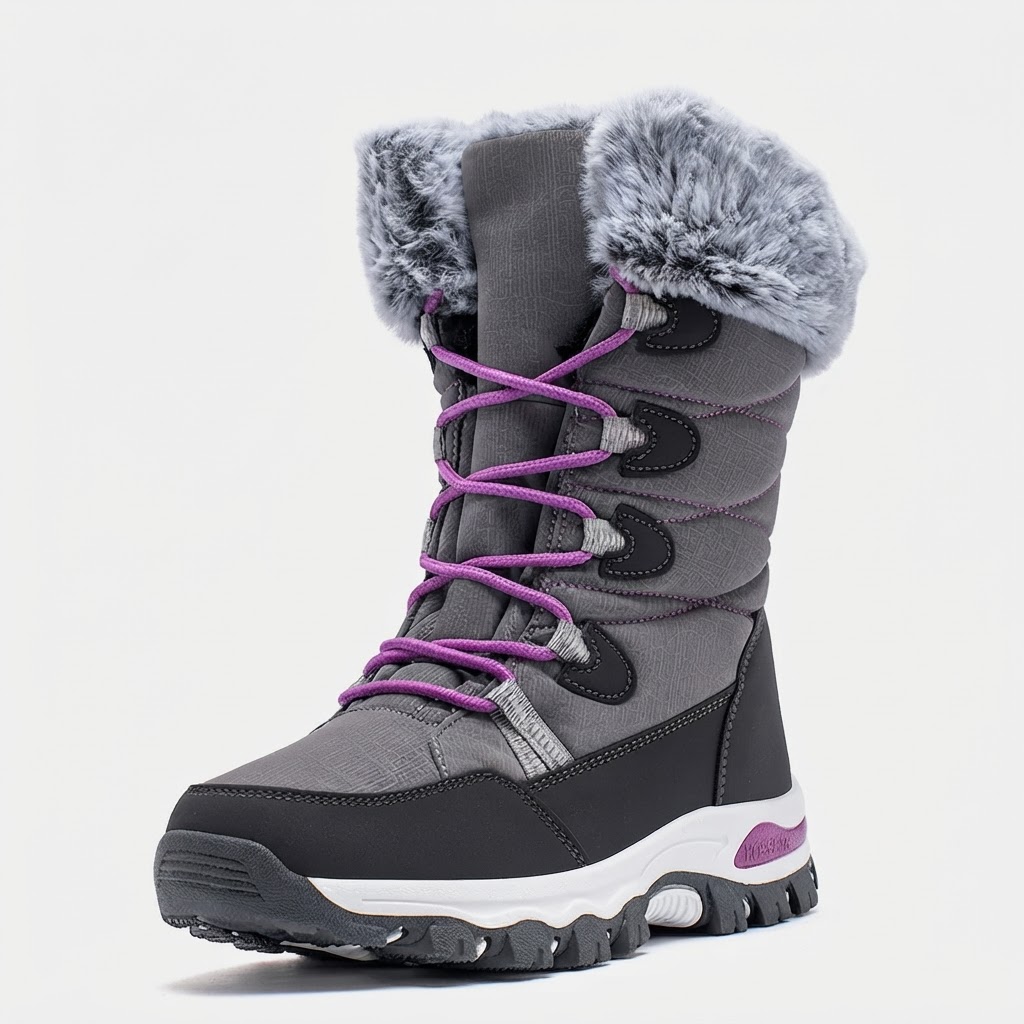
When evaluating footwear for freezing environments, materials and structural construction dictate performance. A boot designed for snow needs robust insulation alongside reinforced high-wear points, such as leather reinforced toe and heels, which shield the foot from abrasive crusty ice while providing structural integrity. Upper collar materials also play a critical role; options like a soft faux fur collar create a snug seal around the calf, preventing wind chill and powder from sneaking into the interior.
Moisture Management: Moisture-Wicking and Fleece Linings
Insulation is useless if dampness accumulates inside. A moisture-wicking fleece lining draws perspiration away from the skin surface, transferring dampness into outer breathable layers. Combining moisture-wicking technology with a cushioned footbed provides vital shock absorption on hard, frozen ground while adding an additional layer of separation between your feet and the cold ground.
Outer Protection: Waterproof Membranes and Traction
Complete weather protection requires a full shield against snow melting into fabric. Footwear equipped with waterproof seam-sealed membrane bootie construction guarantees that wet snow and standing water cannot penetrate into the insulation cavity. Beyond dry feet, staying safe in snow requires dependable footings. Durable outsoles engineered for traction deliver essential grip on icy trails, allowing you to walk with confidence on slippery surfaces.
Proper Lacing and Fit for Maximum Thermal Efficiency
Over-tightening winter boots can restrict circulation, which is a primary culprit behind cold toes. A mid-calf winter boots silhouette featuring an adjustable lacing system allows custom tension control. Pull-on style designs combined with adjustable laces let you secure the midfoot tightly while keeping the shaft sealed against cold air. Leaving subtle air pockets within the foot cavity creates trapped, body-heated air layers essential for long-lasting comfort during all-day wear.
Maintenance and Care for Cold-Weather Footwear
To ensure your boots continue to perform down to -20°F, proper care is essential. Always allow footwear to dry naturally at room temperature after heavy snow outings. Avoid placing boots directly against high heat sources, which can degrade waterproof membranes or dry out leather reinforced toes and heels. Periodically inspect seams and outsoles to ensure your footwear remains fully equipped for many winter seasons to come.
Related in this cluster
- 5 Essential Tips to Prevent Cold Feet While Walking in Snow
- Fleece Lining vs. Wool Insulation: Managing Winter Moisture
- How to Fit Mid-Calf Snow Boots for Maximum Thermal Retention
- Why FurLined Winter Boots Are Built for Harsh Winter Climates
- Essential Features Checklist for Mid-Calf Winter Boots
- Winter Boots and Snow Warmth FAQ