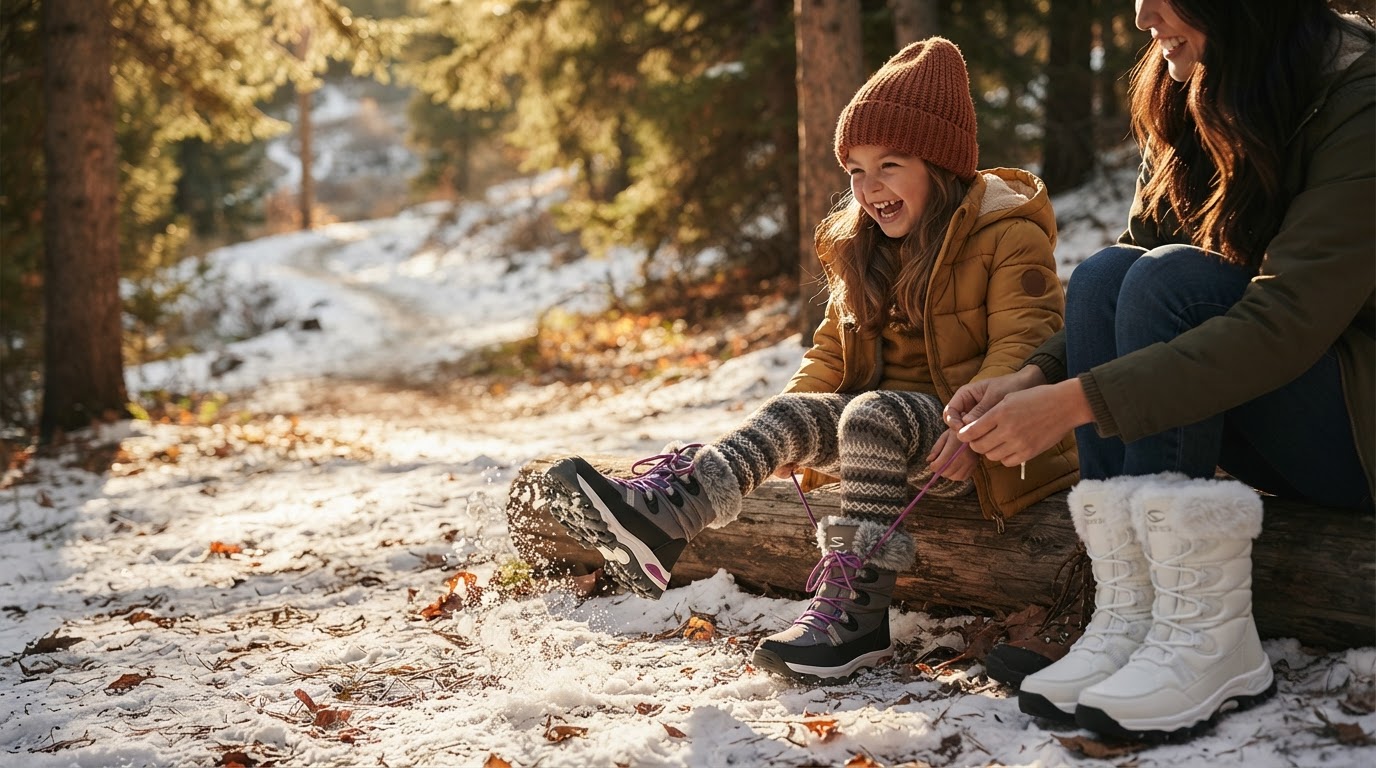
Five Performance Standards for FurLined Winter Boots
 Sam VasquezBuying Guide Lead
October 14, 2026 — The seasonal shift toward technical trail gear is currently dominated by high-performance FurLined Winter Boots that bridge the gap between heavy snow gear and agile hiking equipment. As more consumers seek versatile footwear for varying elevations, the demand for integrated insulation has spiked.
Selecting the right pair involves balancing thermal retention with moisture management, a challenge often noted by retailers like Zappos, who report high interest in waterproof fur lined snow boots that feature pull-on convenience and specific anatomical support like the Merrell Siren series. While traditional hikers rely on thick socks, the modern preference has shifted toward built-in linings that maintain heat even when the exterior is subjected to slush and ice. I have found that the primary failure point in these boots isn't usually the insulation itself, but the breathability of the waterproof membrane underneath the fur.
The 5 Technical Integrity Checks
When evaluating waterproof fur lined hiking boots, I look for five specific markers of quality that separate a fashion boot from a true trail performer. First, verify the waterproof construction; look for seam-sealed leather or synthetic uppers rather than just a DWR coating. Second, inspect the lining material—while shearling lined hiking boots offer superior natural temperature regulation, synthetic faux-fur often dries faster if moisture enters the collar. Third, check the outsole lugs. A hiking-specific boot needs multi-directional tread, unlike the flatter soles found on many mens waterproof fur boots designed for urban deep snow. Fourth, ensure the gusseted tongue is also lined, as this is a common cold-leak point. Finally, assess the weight-to-warmth ratio. A boot like the FitFlop Mukluk, which utilizes fleece and faux-fur, aims for a lighter profile, whereas mens fur lined work boots for winter emphasize durability over weight. If you are on a budget, synthetic linings provide excellent value, but for long-distance trekking, I prefer natural wool blends for their odor resistance. Between these two, I’d go with a mid-calf leather option featuring a plush fleece lining and a grippy rubber sole for the best traction on mixed terrain.
Expert tip: Always check if the fur lining extends through the footbed or just the shaft; for hiking, a lined footbed is essential to prevent heat loss through the sole when standing on frozen ground.
Skip this if you are hiking in temperatures above 40°F, as the thermal efficiency of these boots will likely lead to excessive perspiration and blisters. Here’s what I’d actually buy: a waterproof leather boot with a reinforced toe cap and a synthetic fur collar for the best balance of protection and warmth.